Our history, in our voices, for generations to come.
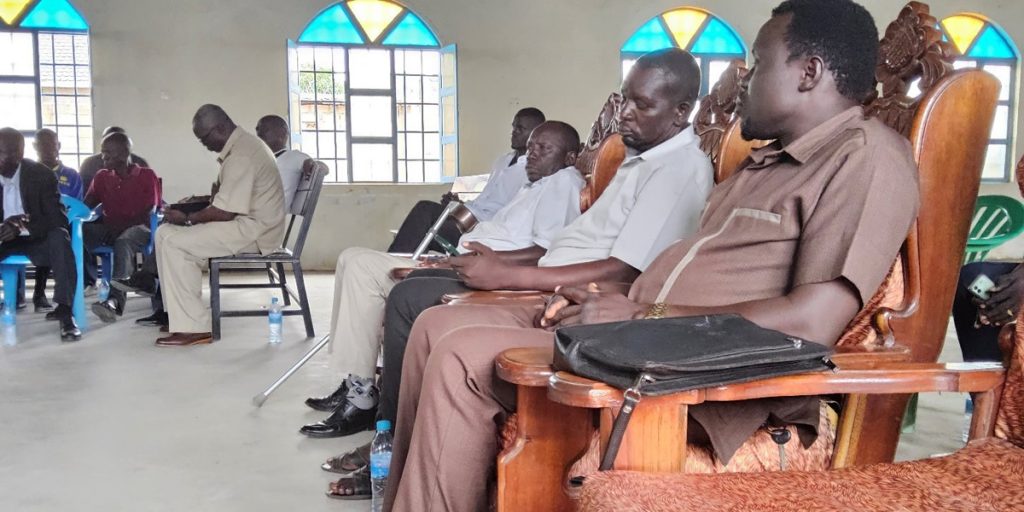
The Kakuwa Community History-Telling Symposium Project aims to establish quarterly gatherings where elders, historians, and young people explore our past, understand its connection to the present, and preserve knowledge for future generations.
At its heart is a commitment to documenting our history ourselves. By placing community voices and experiences at the centre of this work, the project will strengthen our own historical record while critically examining and learning from existing publications and archives.
Connecting Generations Through Storytelling
The symposium will bring together knowledgeable Kakuwa elders—both men and women—to share accounts of community origins, migration, settlement, leadership, livelihoods, and cultural practices. Their stories will provide opportunities to learn about our values, social relationships, and the changes that have shaped community life.
Young participants will be encouraged to become the next generation of storytellers and custodians of knowledge. Practical learning will introduce interviewing, recording, transcription, and documentation skills, helping them preserve accounts accurately and respectfully.
Exploring Our Historical Heritage
The project proposes visits to at least eight historical sites across Lainya, Yei, and Morobo counties, guided by local knowledge and consultation with custodians. These visits will connect oral accounts with places, landscapes, and surviving evidence of our past.
International research will target four museums, archives, or historical sites, with potential destinations in the United Kingdom, Uganda, the Democratic Republic of Congo, and Sudan. Belgium will also be considered as a possible research destination. Final selections will depend on confirming relevant holdings, securing access, assessing travel conditions, and working within the budget.
These visits will seek information, photographs, records, and artefacts relevant to Kakuwa history, with permission requested to reproduce materials for community learning.
Building a Community Historical Record
Local historians and invited international researchers will exchange knowledge with elders and young people, with community participation guiding interpretation. Oral accounts will be compared with documentary evidence, and differing recollections will be recorded openly rather than presented as a single settled version.
Planned outputs include recorded testimonies, written summaries, a catalogue of visited sites, and learning materials for future symposiums. Contributors’ consent, proper acknowledgement, and respect for restricted cultural knowledge will guide documentation and public sharing.
Funding and Implementation
The proposed budget of USD 63,400 will support quarterly symposiums, domestic site visits, four international research visits, documentation equipment, transcription, and preparation of educational materials.
Detailed planning and quotations will guide the scale and sequence of activities. Progress will be measured through gatherings held, elders’ accounts documented, sites researched, youth participation, and materials preserved for community access.
Help Preserve Our Shared Memory
We invite community members, partners, and well-wishers to contribute funding, historical materials, research contacts, equipment, and professional expertise. Families with photographs, documents, or knowledge of significant places are especially encouraged to participate.
Together, we can ensure that future generations inherit a rich, carefully documented understanding of who we are and the journey that brought us here.